 أعلن معنا
 كن شريكاً
 AR
AR
 حمّل التطبيق
Vet Visit Routine for Dog Parents
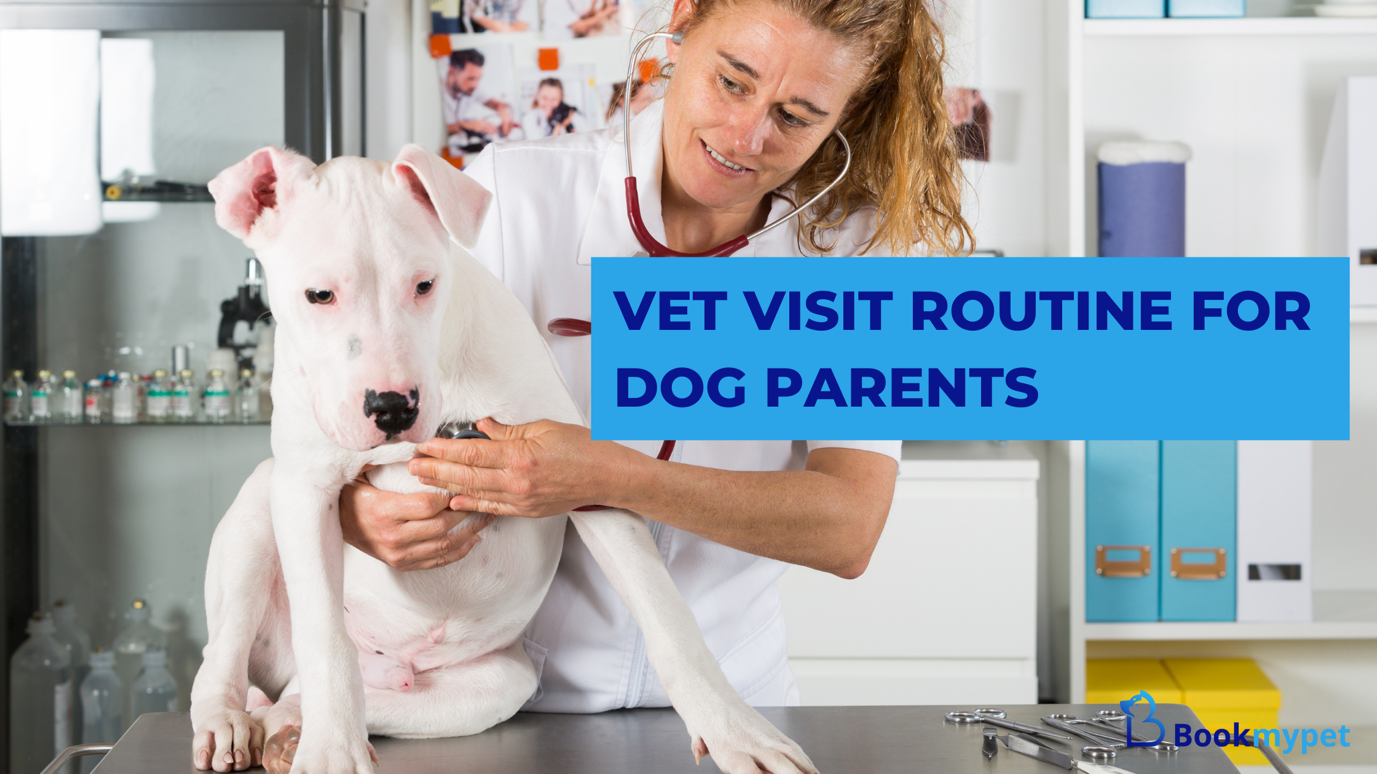
Aside from regularly exercising your dog – and of course, feeding them, there are other general care needs that you have to maintain to keep your dog healthy. This is where your veterinary comes in – whether it’s checking for parasites, maintaining dental hygiene or vaccinations – it’s crucial that you keep a good routine for checkups.
How often to visit the veterinary?
Congratulations! You just added a new puppy to your family. They’re growing up so fast and they need regular visits to the vet. It is recommended to schedule a visit every 3-4 weeks until they reach 4 months of age. Once your puppy enters adulthood, you can schedule a yearly checkup once a year to make sure they’re doing well. Upon reaching 7-8 years of age, your dog is now considered a senior and requires geriatric care – here, you should visit your veterinary at least twice per year (or even more frequently). This is due to the fact that senior dogs experience more illnesses, and the sooner you identify them, the better care they can receive.

Showing Signs of Illness:
No one knows your dog better than you, and after spending a lot of time together, you become familiar with their normal behaviors. Therefore, you should keep an eye out for subtle signs of illness (that even a veterinary can miss sometimes). The most common signs are changes in appetite (decrease or increase) and changes in activity levels. More obvious signs include vomiting, diarrhea, urination (more frequent or less), increased sneezing, loss of hair, itchiness, etc. Monitor your dog for a day or two, if the symptoms persist – then it’s definitely time to schedule a visit to the veterinary clinic.
Vaccinations:
Just like us humans, our dogs need regular follow ups for their vaccinations.Many vaccines are routinely given to protect them from and prevent serious infectious illness (most commonly: distemper, parvovirus, rabies). Your local area also has an impact on the vaccines needed, such as Lyme disease and Bordetella. You veterinarian will give you the proper advice. Normally, booster shots are given on a yearly basis throughout your dog’s life to ensure protection.

Parasite Control:
When we say parasite, we mostly are referring to intestinal parasites – such as roundworms, tapeworms, hookworms etc. There parasites cause damage to the digestive tract, leading to malnutrition since they prevent the absorption of nutrients. Detection of parasites is done through fecal sample testing. This is really essential since some of these parasites can be transferred to humans.
Dental Care:
Dogs need a good dental routine. In order to keep your dog’s teeth and gums in a healthy condition,you can schedule a professional dental cleaning at your veterinary clinic. Also, dry food and some chew toys help on a daily basis. Adequate oral care reduces the formation of plaque which, if untreated, can progress to gingivitis and periodontal disease. In some advanced cases of plaque damage, veterinarians may resort to extracting the teeth completely.

Spaying/Neutering:
If you have no plans on breeding your dog, spaying or neutering is important. Aside from preventing unwanted pregnancies, this procedure reduces the incidence of many diseases such as prostate problems in males and mammary cancer in females. Spaying is also linked to improvements in behavior. For female dogs, the recommended spaying age is 6 months and for males, anywhere between 5-10 months of age (depending on breed and size).